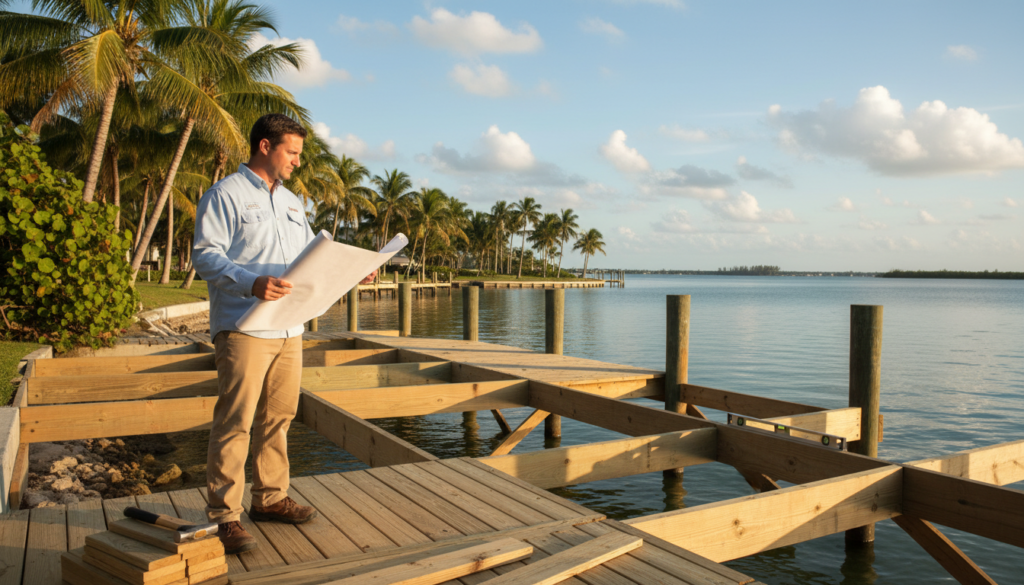
Surprising fact: most residential waterfront projects in the state land between $15,000 and $30,000, with common rates around $20–$50 per square foot.
You want clarity before starting your waterfront project. A simple floating structure on an inland lake can fall under $10,000, while a coastal piling setup with a boat lift may top $30,000.
Costs shift with the type of material, the size and features you pick, and local permitting hurdles. Labor and dock builders often charge $75–$125 per hour, so workforce choices shape your budget fast.
Good design and smart material choices can add value to your property and help control the final price. This guide walks through the main factors—from site conditions and permits to installation and maintenance—so you can plan a project that fits your goals.
Key Takeaways
- Expect typical residential pricing near $15,000–$30,000.
- Plan for $20–$50 per square foot as a working range.
- Labor and dock builders are a major portion of the budget.
- Permits, site conditions, and material add key costs.
- A well-designed dock can increase waterfront property value.
Understanding How Much Does It Cost to Build a Dock in Florida
Before you sign anything, get clear on per-unit pricing and hidden fees that can reshape your budget fast. Most homeowners in the state plan on between $20 and $50 per square foot for a standard installation. Coastal setups with pilings, lifts, or premium decking typically push toward the top end.
Permitting often drives unexpected expenses. Many owners hire permit consultants for $1,500–$3,000. That fee can save time and cut application mistakes, which helps avoid costly delays.
Remember, your true price depends on site conditions. Water depth and soil determine the foundation type and the specialized labor you’ll need.
- Set a clear budget that covers materials, marine labor, and regulatory fees.
- Get a professional assessment to identify the most cost-effective approach for your waterfront.
- Request multiple quotes so your projected price matches local market rates.
Breaking costs into categories—materials, labor, permitting—gives you control. That way you can plan a dock that lasts and fits your financial goals.
Primary Factors Influencing Your Construction Budget
Hidden site variables often decide whether your project stays on budget or blows past it.
Site Conditions and Water Depth
Your shoreline and water depth change the scope of work. Deep water or unstable soil may require piling rigs or specialty gear, which raises the cost build of the foundation.
A marine contractor will inspect the site and estimate labor needs. Labor often makes up 30%–50% of total costs, with skilled crews charging about $75–$125 per hour.
Material Selection and Durability
Choosing materials shapes long-term expenses. Pressure-treated wood is the least expensive up front but demands more maintenance over time.
Many owners pick composite decking to cut future repairs and extend the lifespan of docks. Matching material choice to local conditions improves durability and protects your property value.
- Soil and water conditions drive foundation complexity.
- Balance upfront material price with long-term maintenance.
- Professional evaluation reduces surprises and hidden costs.
Comparing Popular Dock Types and Their Price Points
Different dock styles carry very different price tags and service needs. Choose based on your boating habits, shoreline conditions, and long-term plans.
Floating Docks
Typical price: $25–$50 per square foot.
Best for calm lakes and protected bays. These structures rely on buoyancy, so installation is faster and less invasive.
Piling Docks
Typical price: $30–$60 per square foot.
Piling docks offer greater durability and suit tidal or deeper water. Expect higher labor and specialty gear costs during installation.
Fishing Piers
Typical price: $100–$300 per linear foot.
Designs for public access or heavy use require stronger structure and utility runs, which raise the price per linear foot substantially.
- Decking material—wood or composite—affects initial price and long-term maintenance.
- Size and design choices scale the final costs quickly, since bigger structures need more material and labor.
- Site conditions determine the best type for durability; get a site-specific quote that lists all factors.
For guidance on resilient design and storm considerations, see our piece on storm-ready design choices.
Navigating the Complexities of Florida Permitting
Before any hammer swings, paperwork and approvals usually determine whether your project moves forward. You should budget for regulatory fees and extra professional help early in planning.
Typical fees range from about $1,000 to $4,000 for standard permits. Add roughly $1,500–$3,000 if you hire a consultant or engineer to prepare plans and studies.
Regulatory Hurdles and Environmental Compliance
Agencies such as the FDEP review plans that could affect shoreline and water quality. Your design must meet local zoning and state regulations.
Timing matters: permit reviews can take several months. Start early so delays don’t push your timeline or raise costs.
- Many projects need specific permits to protect navigation and habitat.
- Failure to secure proper permits can trigger fines or removal orders.
- Work with experienced professionals who know local requirements.
Deep Dive into Foundation and Piling Expenses
Strong foundations mean fewer surprises later; piling choices set the tone for the whole project.
The foundation is the most critical part of any dock. Basic wood or concrete pilings typically run between $300 and $700 each for supply and installation.
If you face poor soil or deep-water conditions, expect specialized drilling. Complex setups can push a single piling past $5,000.
Labor and equipment add up fast. Marine crews use heavy gear and skilled operators, so labor often forms a large share of the price.
- Type of piling affects durability and future maintenance.
- Dock size directly determines the number of pilings needed.
- High-quality materials reduce repair risks and protect your boat.
Verify whether permitting for foundation work is included in your permits. Ask contractors for a detailed estimate that separates material, labor, and installation costs.
Plan your budget around foundation risks so you avoid surprises during construction and keep the structure safe for every user.
Essential Add-ons for Functionality and Safety
Small investments in utilities and gear often deliver big gains in usability and safety at the water’s edge.
Think of these items as practical upgrades that protect your boat and make evenings usable. Many homeowners add lifts, lighting, and basic utilities during initial construction to avoid retrofit headaches later.
Boat Lifts and Slings
Basic lifts start around $3,000 and protect hulls from constant exposure. High-capacity or dual-slip systems can range from $12,000 to $15,000+ for heavy boats or multiple craft.
Confirm that your dock structure and materials can carry the added load. Ask your contractor about mounting, slings, and clearance for high water or tides.
Utility Connections and Lighting
Electrical wiring typically runs $500–$2,000, while water lines cost about $300–$800. Solar lighting offers an easy safety option for $200–$1,000 without major permits.
- These features raise the overall cost and should be included in your initial budget.
- Licensed pros must install utilities to meet local codes and ensure safe operation.
- Well-placed lighting and a lift greatly improve evening boating and dock use.
Weighing the Benefits of Professional Installation
Hiring pros brings heavy marine equipment and experienced crews that reduce surprises. A turnkey build usually adds $8,000–$20,000+ for project management, permits, and large gear.
Skilled contractors charge roughly $75–$125 per hour. That labor covers site prep, piling work, and final inspection for your boat access and safety.
Professionals often have supplier relationships. That can lower materials prices and speed delivery for docks and decking.
Long-term value is a key upside. A well-built dock raises property appeal and avoids costly rework from DIY errors.
| Aspect | Professional | DIY |
|---|---|---|
| Upfront cost | $8k–$20k+ added | Lower, but risk of errors |
| Labor rate | $75–$125/hr | Own time and learning curve |
| Equipment & materials | Included; supplier access | Must rent or buy |
| Outcome | Code-compliant, durable | Higher chance of fixes |
- Check reviews and references for dock builders before hiring.
- Choose pros for complex piling and structural work.
Evaluating DIY Options for Waterfront Projects
Tackling a waterfront project yourself can save money up front, but the trade-offs are serious. Basic floating dock kits run $3,000–$10,000, which looks attractive at first glance.
Still, many homeowners underestimate site work and permit needs. Using low-grade materials or improper marine-rated hardware speeds up degradation and raises long-term maintenance.
Risks of Self-Installation
- Code violations and missing permits can lead to fines or forced removal; check local permitting before you start.
- Pressure-treated wood or cheap fasteners may fail faster in salt and sun, increasing repair bills.
- Labor and time commitments often exceed initial savings, especially when specialty tools or pilings are needed.
- Poor installation risks structural failure that can damage your boat and create safety hazards.
“Only consider DIY for very small, simple projects that do not involve complex foundation work or deep water.”
Tip: If you need help choosing materials like composite decking or want a site evaluation, consult local dock builders and consider finding the right service.
Impact of Waterfront Structures on Property Value
When your shoreline includes a clean, usable access point, the home’s market appeal grows fast. A well-built dock can raise your property value by 8% to 15%, making waterfront homes stand out to buyers.
Durability matters. High-quality materials that resist sun and salt keep the structure attractive and lower long-term repairs. That helps preserve the value you gain.
Size and design should match local norms. If your docks look out of place, they may not add as much value. Thoughtful design and proper maintenance make your investment work harder.
Many homeowners who hire pros see higher returns when they sell. A dock also boosts recreational appeal by providing easy water access for a boat and guests.
| Factor | Impact | What to check |
|---|---|---|
| Durability | High | Choose rot- and corrosion-resistant materials |
| Size & design | Medium–High | Match neighborhood standards and sightlines |
| Maintenance | Medium | Keep fasteners and finishes in good shape |
“A well-maintained waterfront feature is both a lifestyle perk and a smart investment.”
Final Thoughts on Planning Your Dock Investment
strong, Set priorities first—safety, durability and usability should lead every choice.
Plan your budget with the total cost build dock in mind, including materials, labor, permits and a healthy contingency fund. Choose decking and other material that reduce long-term upkeep and add value for your property.
Decide the type and features that match your boating needs. Work with experienced dock builders who know local regulations and per square foot pricing. A clear design and realistic price estimate protect your budget and boost the project’s value.
With good planning, your new dock will improve access for your boat and strengthen your home’s appeal for years.
FAQ
What influences your waterfront project budget most?
Site conditions, water depth, shoreline type, and local permitting drive price. Soft mud, high boat wake, or steep banks need heavier foundations and more labor. Distance from a road and equipment access add hauling and crane costs. Inspect the site early so you can plan for these variables.
Which materials give the best long-term value?
Composite decking and pressure-treated wood are common. Composite costs more up front but resists rot, fades, and frequent maintenance. Treated wood is cheaper up front but needs staining and repairs. Stainless-steel fasteners, marine-grade hardware, and quality pilings boost lifespan across either choice.
Are permits and environmental rules a big expense?
Yes. State and county permits, coastal zone reviews, and possible Army Corps of Engineers approval add fees and time. Some sites need environmental studies or mitigation for seagrass and mangroves. Budget for permit fees and consultant or surveyor costs when estimating.
How do floating docks compare with piling systems for price?
Floating systems are usually less costly up front and faster to install, but can wear faster in high-wave or tidal areas. Piling docks cost more due to driven or drilled piles and heavier structures, yet they deliver greater durability and better resale value on many waterfront properties.
Will adding a boat lift or utilities raise the total significantly?
Yes. Boat lifts, electrical runs, shore power, and dock lighting can add thousands depending on capacity and distance from service. Lifts need reinforced framing and possibly specialized installers. Factor in wiring permits and GFCI-protected circuits for safety compliance.
What about maintenance expenses over time?
Expect regular cleaning, fastener checks, occasional board replacement, and staining for wood. Composite minimizes staining but still needs washdowns. Plan annual inspections and a five- to ten-year maintenance budget to avoid costly repairs later.
Can you reduce costs with a DIY installation?
You can save on labor, but risks include incorrect pile setting, poor load distribution, and failing to meet permit requirements. Specialized equipment and marine construction experience matter. For simple floating docks you might DIY; for pilings and heavy structures, professional crews are safer and often required for permits.
How does a dock affect your property value?
A well-built dock with legal permits typically boosts appeal and market value for buyers who boat. Unpermitted or poorly maintained structures can hurt resale and lead to fines. Quality materials and functional features, like lifts and lighting, improve perceived value.
What should you look for when hiring dock builders?
Check Florida licensing, insurance, references, and portfolio of local work. Ask about experience with your shoreline type and for detailed bids that separate materials, labor, permitting, and mobilization. Request warranties and confirm subcontractors for electrical or piling work are certified.
How do tide, wave action, and boat size affect design?
Tidal range and typical wave energy determine pile depth, deck elevation, and structural bracing. Larger boats require wider slips, heavier pilings, and stronger cleats or lifts. Designers tailor spacing and floatation based on vessel weight and local marine conditions.
When are environmental surveys required for construction?
Many Florida counties ask for surveys when wetland impacts, seagrass beds, or manatee zones are possible. The Army Corps has thresholds for federal involvement. A qualified marine biologist or surveyor can advise if studies are needed before applying for permits.
What are common hidden costs homeowners overlook?
Mobilization fees, crane time, unexpected rock or shell layers, seasonally restricted work windows, mitigation costs, and extended permit reviews. Also include insurance for coastal storms during construction and post-build cleanups after severe weather.
Are there financing options for waterfront projects?
Yes. Home equity loans, construction loans, and some specialized marine contractors offer payment plans. Check terms carefully and ensure lenders accept dock structures as eligible improvements for appraisal purposes.
How do you estimate price per square foot for decking?
Costs vary by material, access, and foundation needs. Compare quotes that list decking, framing, pilings, and labor separately. Use those line items to calculate a realistic per-square-foot figure tailored to your project specifics rather than relying on national averages.
What seasons are best for construction on Florida waterfronts?
Late fall through spring often offers calmer seas and more predictable weather for marine work. Hurricane season (June–November) can delay projects and raise insurance and mobilization risks, so plan timelines accordingly.