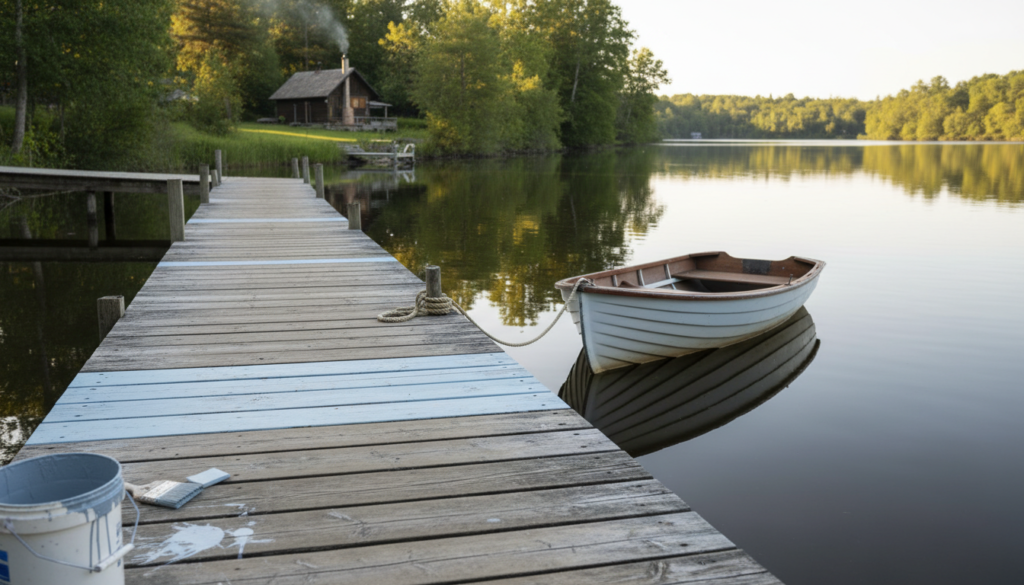
Surprising fact: nearly one in three waterfront structures face major frame issues after repeated storm exposure, forcing homeowners to choose between small fixes or a full system overhaul.
You count on your pier for boating, fishing, and lakefront calm. Over time, sun, splash, and storms cause wear and hidden damage that makes that choice urgent.
Today many owners find a modern floating solution like NyDock gives longer life and fewer continual fixes. Regular maintenance keeps things usable, but when structural members fail or the frame sits out of level, patching up often costs you down the line.
In this guide you’ll learn how to weigh short-term fixes against an investment that lowers upkeep and helps protect your property value. For a useful checklist before you start any waterfront work, see questions to ask contractors.
Key Takeaways
- Storms and exposure drive most long-term wear and hidden damage.
- Regular maintenance reduces surprises but won’t stop all structural decline.
- NyDock and similar systems lower ongoing maintenance and fixes.
- Assess frame and member condition early to avoid repeated short fixes.
- Think of a new system as an investment in safety and property value.
Understanding the Importance of Dock Maintenance
Small problems left alone often grow into big headaches for waterfront owners.
Regular maintenance prevents minor issues from turning into major failures. A short check each season saves you time and hassle later.
Start an inspection with a thorough cleaning. Use a pressure washer while surfaces are wet to remove algae and grime. Clean decks reveal hidden damage fast.
Protecting your waterfront investment means watching for loose fasteners, soft boards, and uneven framing. Catching these signs early keeps your structure safe for family and guests.
- Do an end-of-season walkthrough to spot problems before winter.
- Prioritize simple upkeep tasks that reduce long-term wear.
- Use cleaning to help identify structural issues early.
| Task | When to Do It | Why It Matters |
|---|---|---|
| Pressure wash | Annually, post-season | Reveals algae and hidden damage |
| Fastener check | Every 6 months | Prevents loose boards and hazards |
| Structural walk | After storms and yearly | Finds early frame issues that affect safety |
Signs Your Waterfront Structure Needs Attention
Walk your waterfront at low tide and scan for soft spots or loose boards—those early signs often point to hidden issues.
Identifying Wear and Tear
Look for visible cracks in the decking and any rust on metal components. Small cracks or flaking corrosion can signal deeper damage under the surface.
Check for loose bolts, sagging supports, or areas where the deck feels springy. Wooden docks often show rot or splintering before failure.
When to Seek Professional Help
If pilings show instability, or cribbing is rotted, call a qualified specialist. Severe problems that affect safety need prompt action and a detailed inspection.
- Immediate attention: unstable pilings, large cracks, major corrosion.
- Schedule an inspection: repeated sagging, loose components, or persistent moisture in decking.
- Consider replacement when repairs won’t restore structural safety or when rot is widespread.
When in doubt, a pro can confirm whether minor repair will do or whether a full system update better protects your property and safety.
Dock Repair vs Replacement Which Is More Cost Effective
Deciding whether to patch up or start fresh affects safety, upkeep, and long-term value.
You should weigh short-term fixes against ongoing maintenance demands. Small repairs like swapping a few boards usually cost less today, but they can recur.
A modern floating system such as NyDock reduces routine work. Its HDPE pontoons resist rot, rust, and freeze–thaw cycles, so you spend less time on upkeep and fewer dollars on repeated fixes.
- If pilings or major components fail often, a full system often saves money over time.
- Minor damage or isolated decking issues may justify a focused repair.
- Your decision hinges on current condition, budget, long-term plans, and material longevity.
| Option | When to Choose | Key Benefit |
|---|---|---|
| Targeted repairs | Isolated boards or fasteners | Lower immediate outlay |
| Full replacement | Widespread rot or failing pilings | Lower long-term maintenance |
| Floating system | Want durability and custom design | Resists rot and reduces upkeep |
Bottom line: compare projected maintenance and downtime against the investment in modern materials. That will clarify whether to repair replace or to replace dock for a safer, lower-maintenance waterfront.
Evaluating the Extent of Structural Damage
After a storm, walk the length of your waterfront structure and note any shifts or warped planks.
Assessing Storm Damage
Start with visible signs: loose boards, surface cracks, and warped decking often point to deeper issues.
Check metal for corrosion and inspect pilings for soft spots or movement. These signs affect safety and long-term maintenance.
“An expert inspection often reveals hidden frame problems that casual checks miss.”
What to Inspect Next
- Scan every area for instability or rot in supports.
- Note repeated repairs—frequent fixes can mean replacement is the better investment.
- Call a Property Image pro for a detailed inspection, especially in the Florida Panhandle.
| Issue Found | Likely Action | Why It Matters |
|---|---|---|
| Surface cracks | Targeted repairs | Quick fixes restore safe use |
| Pilings with rot | Full replacement or major overhaul | Supports structural integrity and safety |
| Widespread corrosion | Professional assessment, often system upgrade | Prevents sudden failure and reduces long-term maintenance |
Bottom line: a careful inspection across all areas will guide your decision and protect your investment over time.
Comparing Traditional Materials Against Modern Alternatives
Choosing the right components changes how often you face damage and how long the structure stays ready for use.
The limitations of wood and metal:
Wooden piers often show rot and need frequent repairs after wet seasons. Fasteners loosen and boards warp, so upkeep piles up over time.
Metal parts resist some wear but can suffer corrosion. When metal corrodes, fixes get complex and time consuming.
The benefits of PVC decking
PVC products like Trusscore’s DockDeck offer a lightweight, mold-resistant surface that hides screws with a clip strip system.
Less ongoing maintenance and a clean design mean you spend fewer weekends on upkeep. Upfront costs are higher, but yearly work drops dramatically.
Why floating systems last longer
Floating systems such as NyDock use UV-resistant, buoyant materials that don’t warp like wood or suffer the same corrosion issues as metal.
They lower routine maintenance and limit repeated repairs. If you want long-term durability and simpler upkeep, a modern system often saves you time and headaches.
- Wood: frequent repairs for rot and loose boards.
- Metal: durable but prone to corrosion and tricky fixes.
- PVC & floating systems: higher initial outlay, far lower ongoing maintenance.
For trends in lift-focused waterfront work, see a local analysis at marine contractors shifting toward lift repairs.
Legal and Environmental Considerations for Your Property
Local rules and fragile habitats often shape what work you can do at the water’s edge.
Before planning any dock work, check with local authorities for permits and construction rules. Many jurisdictions set limits on size, materials, and placement to protect wildlife and water quality.
Environmental regulations may restrict treated lumber or certain fasteners. Choosing a floating system like NyDock often simplifies compliance because it uses low-impact materials and avoids deep seabed disturbances.
Keep up with regular inspection of pilings and decking boards. Spotting signs of wear, cracks, or corrosion early helps you stay within safety standards and avoid legal trouble.
Proper upkeep prevents rot and debris buildup that can harm habitat and trigger enforcement. If exposure has caused notable damage, act quickly so inspectors do not flag unresolved issues.
- Confirm permits before work begins.
- Pick materials that meet environmental rules.
- Inspect for cracks, corrosion, and soft spots regularly.
| Requirement | What to Do | Why It Matters |
|---|---|---|
| Permits | Contact local building or marine office | Prevents fines and project delays |
| Material rules | Use approved decking and fasteners | Protects water quality and wildlife |
| Inspections | Schedule seasonal checks for signs of wear | Maintains safety and legal compliance |
| Environmental care | Remove debris and prevent runoff | Reduces habitat damage and regulator action |
Conclusion
A smart final step is to weigh safety, upkeep time, and material lifespan before choosing a path forward.
Make your decision after a careful inspection of the frame and deck boards. Note recurring issues and factor in future repairs and downtime.
, Investing in a modern replace dock option today can cut maintenance, lower ongoing costs, and protect your property value over years.
Choose durable materials and a clean design to reduce weekend work and unexpected repairs. If upkeep feels endless, a full repair replace plan often becomes the better choice.
When unsure, contact a pro today for an expert inspection and a clear investment estimate that matches your budget and goals.
FAQ
How do you decide whether to fix or replace your waterfront structure?
Start by inspecting key components: decking, pilings, fasteners, and support beams. If damage is isolated to a few boards, brackets, or corroded fasteners, targeted fixes usually save money and extend life. If rot, widespread corrosion, or foundation instability affects more than 30–40% of the structure, a full replacement often makes better long‑term sense. Consider exposure, age, and planned use when you decide.
What signs show the structure needs professional attention?
Look for soft or spongy decking, large cracks, leaning sections, loose or missing hardware, and visible piling damage. Persistent wobble, unusual noises, and gaps between boards are red flags. When you spot these, call a marine contractor or structural inspector to avoid safety hazards and bigger expenses later.
How should you evaluate storm or impact damage?
After storms, walk the perimeter and check pilings, cross-bracing, and connections for shifts or fractures. Inspect for displaced decking, bent hardware, and marine growth that indicates submerged damage. Document everything with photos and get a professional assessment before doing any major work or filing insurance claims.
Are wooden systems still a good choice for waterfront use?
Wood offers a classic look and initial affordability but needs ongoing upkeep to stay safe. It’s prone to rot, marine borer attack, and corrosion at fastener points. If you enjoy frequent maintenance and periodic sealing or board replacement, wood can work. Otherwise, modern alternatives may reduce long‑term upkeep.
What advantages do PVC and composite decking provide?
PVC and composite materials resist rot, insects, and saltwater corrosion, so they cut down on routine maintenance. They stay stable longer, resist staining, and often come with long warranties. Upfront costs are higher than untreated lumber, but you save on labor and replacement over time.
When do floating systems outperform fixed structures?
Floating systems adapt to water level changes and reduce stress on pilings and connections. They perform well where tidal fluctuation or ice movement is an issue. For variable water depths, seasonal docks, or when you want less structural work below the waterline, floating designs offer durability and easier maintenance.
How do pilings and below‑water components affect your decision?
Submerged components carry most of the load and usually cost the most to replace. If pilings are sound, resurfacing or partial replacement of decking makes sense. If pilings are rotted, bent, or failing, you’ll likely need a larger investment or full replacement to restore safety and stability.
What routine maintenance will extend service life?
Regular washing, tightening or replacing corroded fasteners, treating wood with marine preservatives, and inspecting after storms are key. Clearing debris and marine growth prevents moisture traps and reduces rot. Set a seasonal checklist so small tasks don’t turn into big projects.
How should you factor budget and long‑term value into your choice?
Compare immediate costs against projected life span and maintenance needs. Low initial expense can mean higher lifetime spending on repairs and downtime. Higher upfront investment in durable materials or a new design often lowers annual upkeep and improves resale value for your waterfront property.
Are there legal or environmental rules that influence the path you choose?
Yes. Permits, shoreline setbacks, and environmental protections can limit work types, materials, and timing. Local agencies like the U.S. Army Corps of Engineers or state coastal commissions often require approvals. Always check codes and obtain permits before major work to avoid fines and rework.
When does safety force a full replacement rather than fixes?
If the structure shows rapid deterioration, multiple failed supports, severe rot in load‑bearing members, or collapse risk, replace it. Safety issues demand prompt action—partial fixes won’t restore structural integrity and can expose you and guests to serious danger.