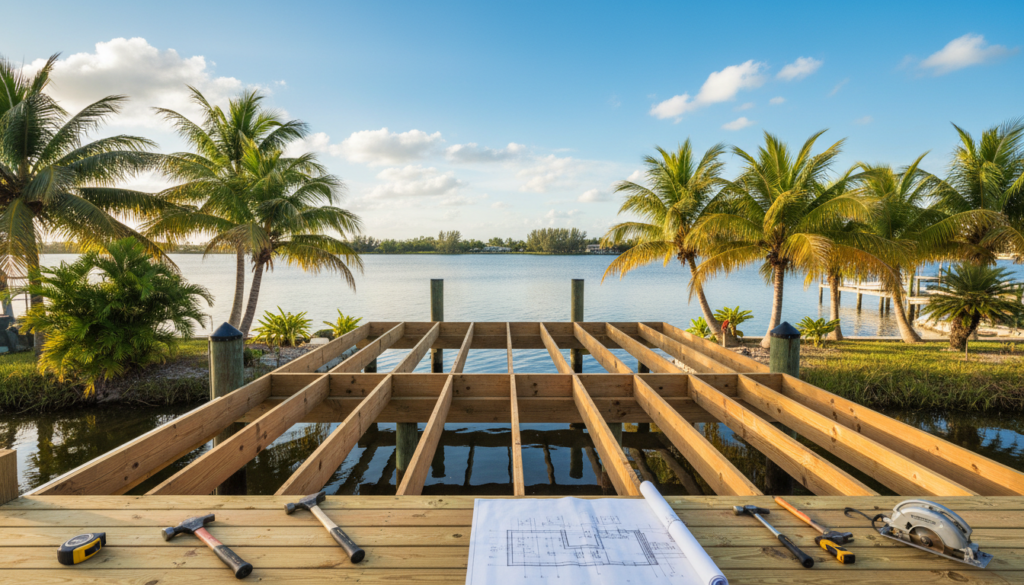
Surprising fact: nearly one in four waterfront projects face delays because regulatory steps were missed before work begins.
Tommy Docks sells both floating and stationary kits, but rules vary by location. Local agencies often require a dock permit for permanent construction to protect water quality and wildlife.
Understanding the permit process prevents costly setbacks. This short intro explains why checking rules matters and how simple research can speed up projects.
Whether planning a floating or fixed structure, verify local zoning and environmental reviews for your waterfront property. Following guidelines keeps work legal and the shoreline healthy.
Key Takeaways
- Permits often apply to permanent dock construction and protect local ecosystems.
- Requirements depend on exact location, waterway type, and construction method.
- Tommy Docks offers kits, but local clearance is the homeowner’s responsibility.
- Starting research early makes the process smoother and faster.
- This guide outlines essential steps for compliant waterfront upgrades.
Understanding Why You Need a Permit to Build a Dock in Florida
Permits exist to balance waterfront access with protection of fragile marine habitats. State and local regulations manage water traffic, preserve public rights of way, and keep construction safe for everyone.
The Florida Department of Environmental Protection issues florida dock permits so land development and conservation stay in check. These rules help maintain water quality and protect seagrass, mangroves, and wildlife.
Local authorities review plans to make sure your proposed dock will not block navigation or harm shoreline ecosystems. Coordination at the right location speeds approvals and avoids costly changes later.
“Early outreach with permitting staff often clears up common questions and shortens the review process.”
- Regulations protect water quality and public access.
- Florida dock permits prevent unauthorized waterfront construction.
- Following this guide helps navigate the permitting process for waterfront construction on private property.
Navigating Regulatory Agencies and Environmental Protection
Local and federal rules shape how waterfront projects move from concept to construction. Start by mapping which regulatory agencies handle review in your area. This helps speed the permitting process and limits surprises.
Federal and state oversight fall mainly to the department environmental protection and, for navigable channels, the U.S. Army Corps. The Florida Department Environmental program evaluates environmental impact through the Environmental Resource Permit system. That review checks construction plans against regulations and site-specific requirements.
Protecting sensitive ecosystems
Environmental protection focuses on fragile areas such as seagrass beds and shoreline habitat. Regulatory agencies require designs that reduce impact and preserve water quality.
- The Florida Department sets standards and outlines permit fees: exemption verification ($100), general permit ($250), individual ERP ($420).
- Projects in navigable water may need review by the Army Corps Engineers for safe navigation and ecosystem protection.
- Follow this guide for clearer coordination among agencies and better outcomes for ecosystems.
“Early outreach with permitting staff often clears up common questions and shortens the review process.”
Determining Your Dock Permit Category
Start by matching project scope with the correct approval category. Small residential builds often qualify for exemptions. Larger efforts may require full engineering review under individual permits.
Key legal guides include Florida Statute 403.813 and Rule 62-330.427. The first outlines exemption criteria that limit environmental impact. The second speeds review via general permits for qualifying residential dock projects.
Exemptions and General Permits
- Under Statute 403.813, exemption applies when dock size stays within set limits and no dredging or filling occurs.
- Rule 62-330.427 lets the Florida Department Environmental Protection process many small projects faster through general permits.
- If dock size exceeds general permit thresholds, submit detailed engineering plans and apply for individual permits for full review.
- Accurate site plans, zoning verification, and documentation of environmental impact shorten permit applications and help receive permit approval.
“Check with the Florida Department Environmental Protection early; that step clarifies requirements and avoids rework.”
Essential Design Standards for Waterfront Construction
Smart waterfront plans reduce shading, protect seagrass beds, and meet agency conditions faster.
Light Penetration and Decking
Keep decking open so sunlight reaches seagrass beds. The Florida Department of Environmental Protection requires materials and spacing that maximize light penetration.
The goal is minimal environmental impact on water quality and local ecosystems.
Access Walkway Requirements
Access walkways must meet width limits and be elevated. That design reduces shading and lowers impact on sensitive areas.
Mooring and Depth Restrictions
All structures must follow size and placement rules. Docks in Outstanding Florida Waters face stricter limits: exempt structures often cap at 500 square feet and terminal platforms at 160 square feet.
- The Florida Department of Environmental Protection caps how far structures extend: not more than 500 feet waterward or 20% of waterbody width, whichever is less.
- Large dock projects usually require individual permits and specific design changes after review.
- These requirements protect navigation, seagrass beds, and overall environmental protection.
Avoiding Common Pitfalls During the Application Process
Incomplete surveys and wrong measurements are top reasons projects stall. Missing environmental surveys often triggers extra review by local authorities and regulatory agencies.
Verify property boundaries and check zoning early. Confirm seagrass beds and protected areas near your location. The Florida Department Environmental Protection may ask for more documentation if the site sits in Outstanding Florida Waters.
Work with professionals who know dock permitting and permit applications. Early coordination with the U.S. Army Corps and department environmental protection staff speeds review and avoids rework.
“Accurate plans and timely surveys cut review time and reduce unexpected conditions.”
| Common Issue | Risk | Fix |
|---|---|---|
| Inaccurate site measurements | Delay or denial | Certified survey |
| Missing environmental survey | Extended review | Pre-application assessment |
| Wrong dock size category | Requires individual permits | Confirm limits with local authorities |
Practical tip: coordinate early, document access and impact, and consider professional help so permit applications complete and compliant. For design guidance and storm-ready choices, see storm-ready design choices.
Conclusion
Clear planning and timely submissions speed waterfront projects through review and approval.
Follow this guide as you prepare permit applications and gather site details. Pay attention to dock size and siting since those factors shape which permits apply and how long review may take.
Whether handling simple docks or larger builds, good preparation cuts delays. Early outreach with regulators and accurate plans make the permitting process smoother and help protect the water and nearby habitat.
FAQ
What agencies review waterfront construction projects in Florida?
Federal and state agencies share oversight. The U.S. Army Corps of Engineers reviews work that affects navigable waters and wetlands. The Florida Department of Environmental Protection (FDEP) evaluates impacts to water quality and Outstanding Florida Waters. Local county or city environmental permitting offices also review shoreline work and zoning compliance.
Which projects may qualify for exemptions or general permits?
Small, low-impact structures often qualify for general permits or exemptions. Walkways, floating boatlifts, and minor maintenance sometimes fit those categories. If your project affects seagrass beds, wetlands, or federal jurisdictional waters, it likely needs an individual review instead.
How do environmental protections affect design choices?
Protections push you toward low-impact designs. Use open-decking or grated materials to preserve light penetration. Keep structures minimal in footprint and avoid piling through seagrass. Designing for minimal shading helps protect benthic habitats and aids permit approval.
What are common design standards for decks and walkways?
Agencies require minimal shading and safe access. Decking often must allow 50% or more light transmission; grated surfaces are common. Access walkways should meet width and elevation rules to protect public safety and environmental values. Requirements vary by region and waterbody.
Are there mooring or depth restrictions for dock placement?
Yes. Depth and mooring rules prevent damage to navigation and habitats. You may need to locate the dock to avoid shallow seagrass or channels, and some areas restrict private mooring within certain distances of navigation lanes. Local harbor masters or the Corps can provide maps.
What environmental features trigger stricter review?
Seagrass beds, mangrove forests, coral communities, and Outstanding Florida Waters trigger heightened scrutiny. Projects near critical habitat or within preservation zones often require surveys, mitigation, or an individual permit from federal and state agencies.
How long does the permitting process usually take?
Timelines vary. Simple general permits can take a few weeks, while individual permits often take several months. Complex reviews that require surveys, mitigation plans, or public notice extend timelines. Start early and coordinate with the Corps, FDEP, and your local permitting office.
What common mistakes delay approvals?
Incomplete applications, lack of habitat surveys, missing site plans, and failure to consult local zoning rules commonly stall reviews. Using inappropriate materials or proposing excessive shading also triggers rework. Hiring a marine contractor or environmental consultant helps avoid delays.
Do construction plans need specific details for review?
Yes. Provide scaled site plans, water depths, proposed pilings and materials, dimensions, and vertical elevations. Include seagrass or wetland survey results and mitigation proposals if needed. Clear, detailed plans speed up review and reduce requests for revisions.
How does shoreline zoning affect your project?
Local zoning determines setbacks, bulkhead requirements, and public access rules. Even with state and federal approvals, municipal or county codes may impose additional limits on size, placement, or use. Check with your local planning department early in the process.
What mitigation options exist if your plan impacts habitat?
Mitigation can include habitat restoration, seagrass transplants, or compensatory preservation elsewhere. Agencies may accept mitigation banks or on-site restoration plans. The goal is to offset unavoidable impacts and meet state and federal standards.
When is an Army Corps individual permit required?
Individual Corps permits are required for projects with significant impacts on navigable waters, wetlands, or aquatic habitat that exceed general permit thresholds. If your work alters critical habitat or requires extensive dredging, expect an individual permit review.
Who inspects construction once approved?
Local building departments often inspect structural and safety elements, while environmental agencies may require monitoring to ensure mitigation and habitat protections are followed. Coordinate inspections in your permit conditions and maintain communication with reviewing agencies.
How can you speed up getting approvals?
Prepare complete plans, hire professionals for surveys and permitting, and consult early with the Corps, FDEP, and local planners. Respond quickly to agency questions and incorporate suggested design changes before formal submission.
Where can you find official guidance and application forms?
Visit the U.S. Army Corps of Engineers website for federal applications and guidance. Check the Florida Department of Environmental Protection site for state rules, forms, and Outstanding Florida Waters information. Local county or city permitting webpages list municipal requirements and contacts.